
- Posted on
- • Uncategorized
The Dog Play Bow: What It Represents and Why
- Author
-
-

- User
- petscluster
- Posts by this author
- Posts by this author
-
Decode the dog play bow: its meaning and significance revealed. Gain a deeper understanding of canine communication and behavior today!
Dogs dont need words to tell us theyre happy, scared, or excited. They speak a unique language of wagging tails, playful barks, and expressive body language.
One fascinating gesture, the dog play bow, offers a window into their playful intentions and holds significant meaning for dog owners and enthusiasts alike.
Lets delve deeper into this canine communication cue and discover its secrets.
The Dog Play Bow Gesture
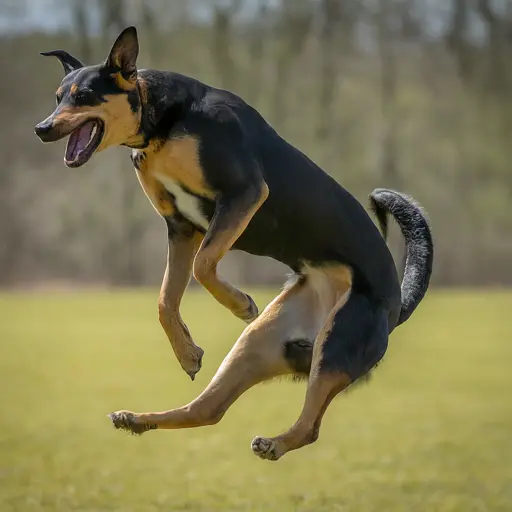
The play bow is a canine communication masterpiece, a posture that speaks volumes about your furry friends mood and intentions. It involves a graceful dip, where your dog lowers its front legs and chest to the ground while keeping its perky rear end elevated in the air. This creates a distinctive triangular shape, almost like a playful salute inviting you to join the fun.
But the play bow is more than just a cute pose; its a clear signal that your dog is ready for some fun and games. Often accompanied by a rapid tail wag and a joyful expression, its their way of saying, "Lets play!" This gesture is most commonly seen during playtime, but it can also be used in various other contexts.
Heres why understanding the play bow is crucial for all dog owners and enthusiasts:
- Building stronger bonds: Recognizing and responding to your dogs playfulness strengthens your connection and fosters a more positive relationship. Initiating play after seeing a play bow shows your dog youre in tune with their needs, making them feel loved and understood.
- Preventing misunderstandings: Sometimes, dogs use the play bow as a way to de-escalate tense situations with other dogs or people. Understanding this gesture helps you avoid misinterpreting their intentions and intervene appropriately if needed.
- Unleashing happiness: Engaging in playful activities after seeing a play bow is a surefire way to make your dogs day! It provides them with much-needed mental and physical stimulation, keeping them happy and healthy.
So, the next time you see your dog strike this playful pose, dont hesitate to join in the fun! Embrace the opportunity to connect with your furry friend and witness the joy that unfolds with a simple game of fetch or tug-of-war. Remember, understanding their communication is key to building a strong and lasting bond with your canine companion.
Meaning and Intentions
Ever seen your dog strike a playful pose, front paws down and rear end up? Its not just a goofy dip – its a canine party invitation! This furry diplomat extends a "pawty welcome" with its playful stance and wagging tail, all while saying, "Hey there, Im feeling chill and ready to rumble! Wanna join the fun?"
But the play bow goes beyond playtime. Think of puppies bowing to their littermates or a dog welcoming a new family member with a playful dip. Its their way of building friendships and saying, "I trust you!" And sometimes, its even a canine peace offering, a way to say, "Lets chill, shall we?"
So next time your dog strikes this playful pose, remember theyre speaking volumes! By understanding their body language, you strengthen your bond and unlock a world of joyful canine communication. So grab your favorite squeaky toy (whats yours?) and get ready to party with your furry friend!
Context and Interpretation
Ever seen your dog strike a hilarious yet puzzling pose, front paws down and rear end up? Thats not just a goofy move its a canine invitation to fun!
Remember, the play bow isnt just about playtime. My dog, Luna, once used it to de-escalate a tense situation with a grumpy neighbors dog. Seeing her playful bow and wagging tail calmed the other dog down instantly!
But like any language, context matters. A relaxed body, happy tail wags, and playful barks tell you its "Lets rumble time!" However, a stiff tail, tense body, and aggressive growls might signal trouble. Be a detective and read the whole message, not just the pose!
Beyond play, the bow reveals your dogs mood. Shy pups might offer a hesitant bow, while bold ones have a confident dip. Understanding these subtle cues helps you create a happy and comfortable environment for your furry friend.
So, the next time you see that playful pose, remember its not just a yoga move, its your dog speaking volumes! By becoming a canine communication expert, you can unlock a deeper bond and endless fun with your furry friend. Now go out there, observe those playful bows, and share your dogs hilarious or heartwarming stories in the comments!
Remember, these are just suggestions, and the best way to write is in a style that feels authentic to you. I hope this helps you create an even more engaging and informative piece!
Benefits of Recognizing the Play Bow
Forget downward-facing dog ever seen your furry friend strike a pose with paws down and rear end up? Its not just a canine quirk, its a pawty invitation! Recognizing this playful bow unlocks a treasure trove of benefits for both you and your pup.
Stronger Bonds: Imagine your dog, tail wagging like a metronome set to "fun," bowing playfully with puppy-dog eyes. Its their way of saying, "Lets frolic and strengthen our bond!" Responding with playful interactions cements this connection, making you best buds and creating lasting memories.
Smoother Socializing: At the dog park, your dogs translator hat comes on! Spotting a playful bow from another pup means theyre ready to rumble. But a stiff posture signals caution, letting you ensure respectful greetings and avoid potential conflicts.
Happier, Healthier Pup: Play is like doggo spinach essential for their well-being. The play bow is their invitation to join the fun! Engaging in playful sessions after seeing the bow provides mental stimulation, exercise, and a happiness boost that puts even the sunniest day to shame.
Remember, Max, my playful pup? He once used the bow to break the ice with a shy puppy. Their joyful romp warmed my heart and showed the power of this canine communication!
So, next time your dog strikes this adorable pose, dont just chuckle. Its a chance to connect, play, and unlock a world of canine happiness. Grab their favorite toy and join the fun! Share your own play bow stories in the comments below lets celebrate the joy of understanding our furry friends!
Training and Encouraging Play Bow
Teaching your furry friend the play bow isnt just about tricks its about unlocking a world of fun, connection, and happy training! Heres why:
Playtime Powerhouse: Want to initiate playtime on your terms? The play bow is your answer! Use specific cues or commands during playful moments, and soon your pup will associate the bow with joyful romps. Consistency is key, and before you know it, youll have a furry playmate ready whenever you are!
Training Transformation: Ditch the boring drills! Incorporate the play bow into training sessions as a reward or transition between commands. It keeps things engaging for your dog, boosting their motivation and focus, making learning a fun adventure for both of you.
Unleashing Good Behavior: Is your pups enthusiasm sometimes a tad overwhelming? Redirect unwanted behaviors like jumping on guests with the play bow. This positive alternative channels their energy constructively, teaching them appropriate ways to express themselves and creating a calmer, happier home for everyone.
Remember, the play bow is more than just a cute pose its a communication bridge between you and your dog. By understanding and utilizing its power, you deepen your bond, unlock endless playtime potential, and create a training experience that wags tails and strengthens your furry friendship like never before!
Play Bow Etiquette
The play bow, that adorable front-paw dip, isnt just a canine quirk – its a social invitation! But like any good party, some etiquette keeps the fun flowing for everyone. Heres how to be a pawsome playmate:
Respond with Respect: When your pup throws a playful bow, reciprocate! Engage in a game, offer a playful bow back, or simply shower them with happy pats. Remember, its their way of saying "Lets have fun!", and a positive response strengthens your bond and shows you understand their language.
Read the Room (and Body Language): Not every bow is a green light for full-on zoomies. Watch your dog and their playmate for signs of discomfort – panting, avoiding eye contact, or freezing. These are doggy time-outs! Give them space and let them disengage if needed.
Respect Individuality: Just like humans, dogs have play styles. Some love roughhousing, while others prefer gentle games. Observe their interactions and adjust your approach accordingly. Maybe your playful pup needs a gentler friend, or your mellow mutt might enjoy a more energetic playmate.
Remember, the play bow is a conversation starter, not a guarantee of playtime. By being attentive, respectful, and mindful of individual preferences, you can ensure joyful, harmonious interactions for all the furry friends involved! So, next time you see that playful dip, dont just smile – join the fun and follow these tips to create pawsome play experiences for everyone!
Final Words
Forget boring tail wags and predictable barks – the play bow is where the real canine communication happens! This adorable front-paw-down, rear-end-up pose isnt just a funny quirk; its a window into your dogs soul, bursting with playful invitations, hidden emotions, and a powerful key to unlocking a deeper bond.
By understanding the meaning behind the bow, we become fluent in doggo-speak. We can translate their playful intentions, create a world of tail-wagging fun, and foster connections that go beyond belly rubs and ear scratches.
Imagine responding to your dogs playful bow with a joyful romp, knowing it strengthens your bond like a secret handshake. Picture recognizing a hesitant bow from a shy pup and offering a gentle game, building their confidence and turning them into your furry BFF. Or think about redirecting unwanted jumping with an alternative "play bow high five," transforming chaos into happy greetings.
The magic of the play bow extends beyond just fun and games. Its a barometer of your dogs emotional state, allowing you to tailor their environment based on their needs. A quick, energetic bow might signal a playful pup ready for a game of fetch, while a hesitant one could indicate anxiety or fear, prompting you to offer comfort and a calm space.
So, the next time your dog strikes that playful pose, remember – its not just a goofy move. Its a chance to speak their language, create lasting memories, and unlock a world of canine happiness. Grab their favorite toy, embrace the magic of the play bow, and watch your bond blossom like never before!
FAQs
How do I know if my dog wants to play?
Dogs display various body language cues when they want to play. Look for signs such as a relaxed body posture, wagging tail, playful barks or growls, and the play bow gesture. These behaviors indicate that your dog is in a playful mood and ready to engage in social interaction.
What if my dog doesnt engage in the play bow gesture?
Not all dogs may exhibit the play bow gesture, and thats perfectly normal. Dogs have unique ways of expressing themselves, and some may rely on other signals to indicate their desire to play. Observe your dogs individual body language cues, such as a wagging tail or a relaxed body posture, to determine if they are interested in playtime.
Can the play bow be misinterpreted?
While the play bow is generally a friendly and inviting gesture, its essential to consider the overall context and the dogs body language. If the dog appears tense, exhibits stiff movements, or displays other signs of aggression, its crucial to exercise caution and avoid misinterpreting the play bow as a sign of friendliness.
Should I allow my dog to play bow with unfamiliar dogs?
Allowing your dog to engage in play with unfamiliar dogs depends on various factors, including your dogs socialization skills, the temperament of the other dog, and the environment. Its essential to assess the body language and behavior of both dogs before allowing interaction. If in doubt, consult with a professional dog trainer or behaviorist for guidance.
Can I teach my dog to play bow on command?
Yes, you can train your dog to play bow on command. Incorporate specific cues or verbal commands during playtime and reward your dog when they exhibit the play bow gesture. With consistent training and positive reinforcement, your dog can learn to associate the command with the behavior and respond accordingly.